Night Weddings vs. Day Weddings: What's Best for You?

By Nandini Iyengar for Femina
Weddings are magical events that mark the beginning of a couple’s lifelong journey together. But the time of day could drastically change the vibe, the photos, and even the energy of your celebration. Choosing a time for your wedding is more than just picking a convenient hour; it’s about crafting an atmosphere and considering convenience, all while letting it echo your personality. Day weddings bring the sun, natural lighting, and an air of freshness that can make your photos pop. Night weddings, on the other hand, offer romantic ambiance, twinkling lights, and a cool evening breeze that feels tailor-made for celebration.
The decision between day and night is not just aesthetic—it’s also logistical. Vendors, venue availability, guest comfort, and even cultural or religious practices can make a difference. Think about the events you want and pair them with the best suitable timing. Are you envisioning a traditional morning puja followed by a hearty brunch, or a chic evening affair with cocktails, dancing, and dramatic lighting? Each option comes with its perks and pitfalls, and understanding these can help you make a choice that not only reflects your taste but also creates an unforgettable experience for everyone attending.
1. Pros and Cons of Day Weddings
Day weddings shine in natural light, providing beautiful conditions for photography, especially when set outdoors. Guests can enjoy the sun, and attendees often find daytime events easier to manage. Early hours make it possible to have brunch or lunch menus that are lighter, fresher, and cost-effective. However, daytime weddings have their challenges too—summer heat or bright sunlight can be uncomfortable, and outdoor ceremonies require backup plans for sudden weather changes. Early schedules might also limit pre-wedding prep time, making it crucial to plan logistics meticulously to ensure a smooth flow.
2. Pros and Cons of Night Weddings
Night Weddings vs. Day Weddings: What's Best for You?
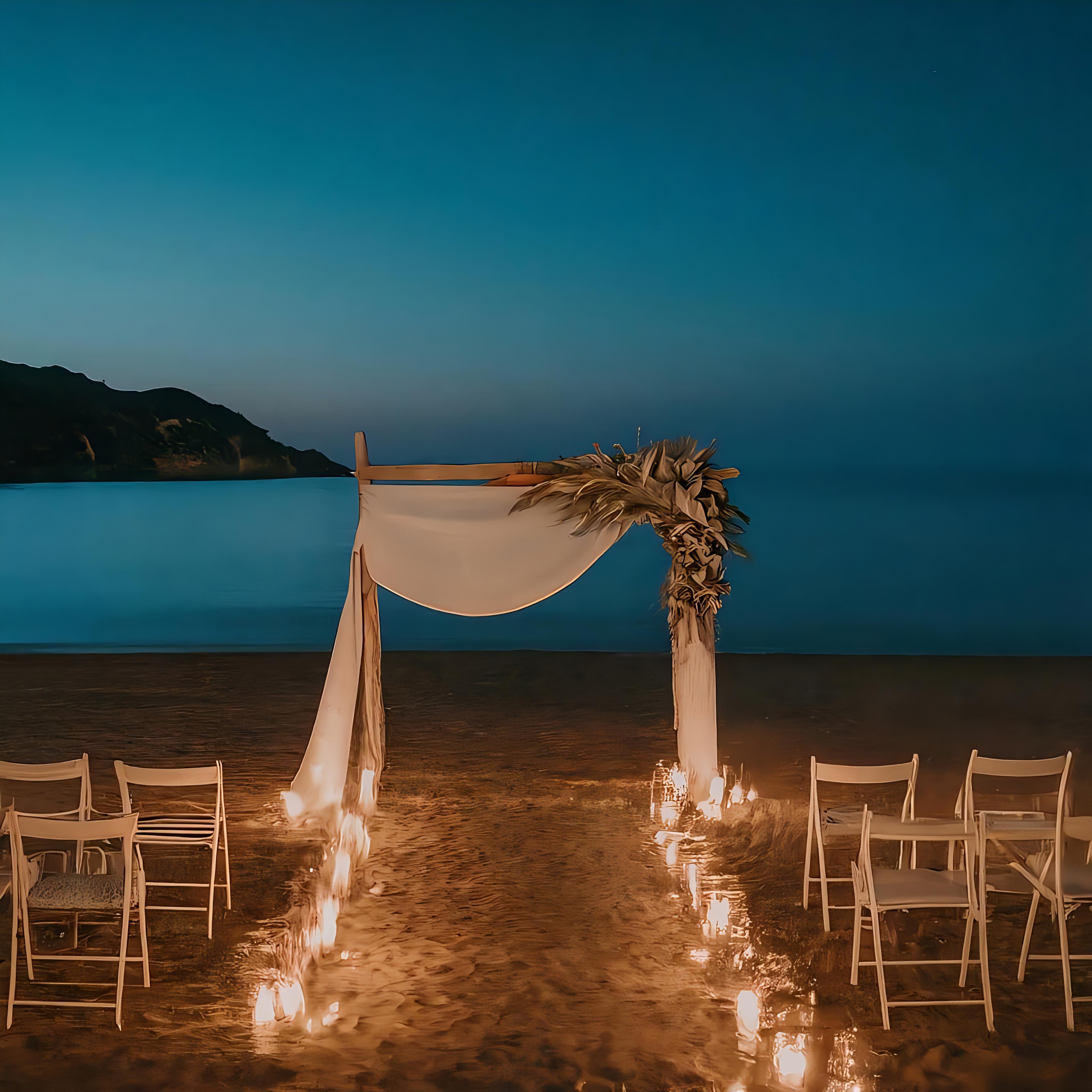
The charm of night weddings is hard to replicate. The ambient lighting, twinkling fairy lights, and soft candle flames create a magical atmosphere that accentuates decor and photography. Evening events tend to feel more celebratory, with dancing and music that can last comfortably without many constraints until the wee hours of the morning. Yet, night weddings demand careful planning. From transportation for guests to adequate arrangements for warmer or colder areas, all must be considered. Extended vendor hours may also increase costs. Guests with young children or elderly family members might find late timings inconvenient.
3. The Time-Theme Balance
Choosing a wedding time goes hand-in-hand with your overall theme. The game is in choosing the right elements that pair well in daylight versus artificial lighting. Pastels and cool tones look refreshing and ethereal under the sun, whereas darker tones, metallic, and jewel accents glitter beautifully at night. Consider the floral arrangements, drapes, and centerpieces, and how well the mood aligns with your theme. This will ensure that your celebrations are visually cohesive and emotionally resonant, creating the perfect backdrop for memories and photographs.
4. Budget Implications
Your wedding timing can subtly influence your overall budget. Daytime events might allow for more affordable catering options like brunch, lunch, or simple buffet setups. Venues may offer discounted rates for earlier slots, and energy costs for lighting may be lower. In contrast, night weddings usually entail multi-course dinners, extended venue rentals, and elaborate lighting setups, potentially pushing costs higher. Evaluating the financial implications helps in making an informed decision, balancing luxury, guest experience, and personal priorities while keeping unexpected expenses under control.

5. Guest Comfort and Convenience
Ensuring guests are comfortable is paramount, and the timing of your wedding plays a key role. Early morning ceremonies might require guests to travel or wake up unusually early, which could be taxing for those who have different sleep schedules or those arriving from out of town. Conversely, late-night receptions may challenge older guests or families with young children. Transportation, accommodation, and meal timings need careful planning for either part of the day. By anticipating guest needs and providing clear guidance, you can create a welcoming environment that enhances the experience and leaves everyone feeling cared for.
6. Finding the right photography angle
Lighting is the photographer’s best friend, and your wedding timing directly affects the quality of photos and videos. Day weddings benefit from natural sunlight, producing vibrant, crisp images without the need for heavily added lighting. Candid shots shine well as shadows and angles are easier to manage. Night weddings allow for dramatic and cinematic visuals through creative lighting techniques, including uplighting, string lights, and spotlights. Discuss your vision with your photography team in advance so that they are prepared to capture your moments perfectly, all day long!
7. Fun Factor and Energy Levels
The energy of your wedding is often tied to the hour. Daytime weddings exude calm, serenity, and a relaxed charm, often ideal for cultural ceremonies or traditional rituals. Night weddings, in contrast, encourage dancing, mingling, and energetic celebrations that extend late. Understanding the atmosphere you want to create is crucial. Matching the timing with the desired energy level ensures that both you and your guests enjoy a seamless, memorable celebration.
Choosing between a day and night wedding isn’t merely about scheduling; it’s about creating the mood, energy, and memories that will last a lifetime. Whether basking under the gentle glow of a morning sun or dancing beneath twinkling fairy lights at night, your wedding should reflect your essence as a couple. The right choice will set the tone for everything from attire and decor to guest experiences and photography. Embrace the possibilities and think creatively—maybe even consider a fusion, like a late afternoon ceremony transitioning into a vibrant evening reception. Ultimately, your wedding is your story, told in light, color, and emotion. Pause, imagine, and let your ideal celebration guide you to the perfect hour.
All the above articles are provided by Femina