South Indian Groom Style Guide: Pancha to Sherwani Switches

By Nandini Iyengar for Femina
South Indian weddings are known for their rich traditions, vibrant colors, and intricate rituals. While much attention often goes to the bride, the groom’s style has evolved into a statement of personality, elegance, and cultural pride. Traditionally, South Indian grooms wear a pancha or dhoti paired with an angavastram and kurta, but modern celebrations often see stylish switches to sherwanis, bandhgalas, and fusion outfits for post-wedding celebrations. The key is balancing tradition with contemporary fashion while ensuring comfort and confidence throughout long wedding ceremonies.
The Indian groom’s fashion choices offer creative opportunities to express individuality while honoring cultural roots. Every element of the outfit works its way to complete the overall look. Understanding when to wear a traditional outfit and a modern ensemble helps in planning different wedding events. This guide explores the nuances of South Indian groom styling, providing tips to navigate outfit choices, accessories, and grooming for a memorable, picture-perfect appearance.
1. Traditional Pancha and Dhoti Looks
South Indian Groom Style Guide: Pancha to Sherwani Switches
The pancha or dhoti is a traditional staple for South Indian grooms, often worn during sacred ceremonies like the wedding ritual itself. It is usually paired with a kurta or shirt and an angavastram. The choice of fabric, usually silk or cotton, adds to the elegant look. These classic outfits allow subtle personalization through embroidery, border designs, or color accents. Pairing them with traditional footwear and minimalistic jewelry can create a timeless look that respects cultural heritage while keeping the groom comfortable during hours of ceremonies.
2. Modern Sherwani Choices
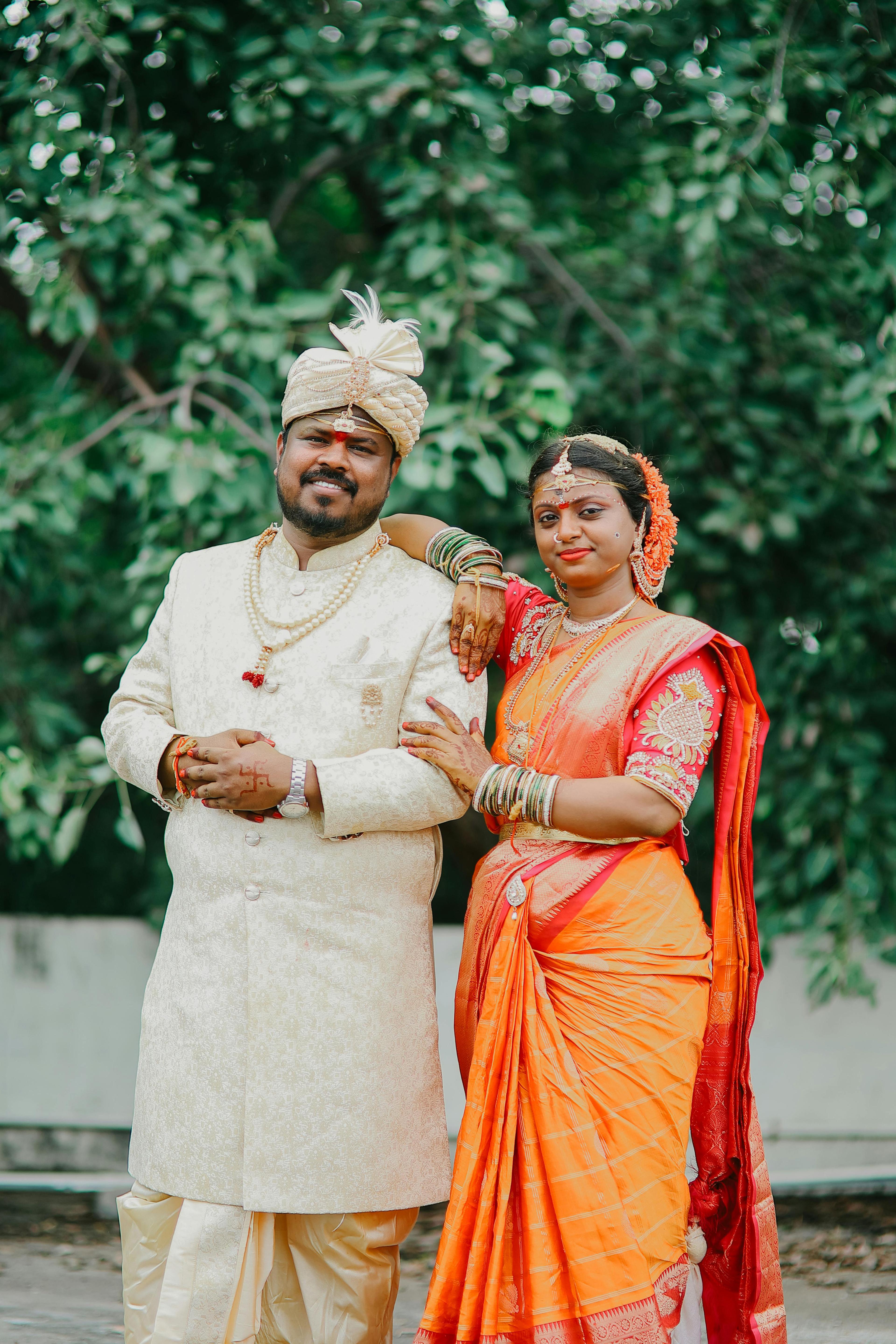
Sherwanis, popularly worn in North India, have gained popularity among South Indian grooms for wedding receptions and evening events. They offer a structured, regal look and can be customized with embroidery, patterns, and fabrics such as silk, velvet, or brocade. Modern sherwanis also often feature a fusion of Indian traditional motifs and modern design cuts. Accessories like stoles, pocket squares, and embellished footwear help elevate the ensemble. Choosing the right sherwani ensures the groom looks both stylish and sophisticated.
3. Color Coordination Tips
Color plays a pivotal role in a South Indian groom’s ensemble. While traditional white, cream, and off-white dhotis are popular for rituals, sherwanis offer opportunities to experiment with bold colors and textures. Coordinating colors with the bride’s outfit and the wedding theme gives a harmonious visual appeal. Complementing the outfit with subtle modern touches makes the overall outfit fashion-forward and, at the same time, rooted in tradition.
4. Accessorizing with Jewelry
South Indian Groom Style Guide: Pancha to Sherwani Switches
Jewelry is crucial in completing the groom’s look. Traditional South Indian jewelry, such as chains, rings, and bracelets, can enhance the overall elegance. Modern grooms are reinventing their jewellery styles with diamond and gemstone encrusted pieces. Not only that, but polki, jadau and kundan are emerging types in men’s jewellery as well. The idea is to use a particular piece of jewellery to accentuate and highlight the outfit. Modern sherwanis allow room for experimenting with brooches, cufflinks, and statement shoes. Selecting accessories that balance opulence with subtlety ensures the groom’s ensemble is eye-catching without overwhelming the overall aesthetic.
5. Grooming the Groom
Grooming is as important as clothing. Haircuts, beard trims, and skincare routines are pivotal to ensure a regimen that makes for a flawless appearance. Coordinating grooming style with outfit choice creates a cohesive look. Light makeup or anti-shine products can help maintain a fresh look throughout long ceremonies and receptions.
6. Fusion Outfit Ideas
South Indian grooms increasingly explore fusion outfits that blend traditional dhotis with modern jackets or sherwanis with minimalistic motifs. These hybrid styles allow comfort, creativity, and cultural expression simultaneously. Fusion looks work especially well for pre-wedding functions or casual receptions, allowing the groom to showcase versatility while maintaining elegance and relevance to tradition.
7. Event-Specific Outfit Planning
Different wedding events require distinct styling approaches. Traditional attire is often preferred for main rituals and sacred ceremonies, whereas modern or fusion outfits are suitable for complementary parties like sangeet, haldi, and reception. Planning outfits according to each event allows room for comfort, appropriateness, and visual consistency. Picking outfits that help transition from one event to another seamlessly is a good trick to have up the sleeve!
South Indian groom styling is a blend of tradition, elegance, and personal expression. It is essential to pay well-rounded attention to every aspect of the wedding look. The choice of outfit should reflect cultural pride while celebrating individuality, thus making a statement of harmony and confidence. By embracing both heritage and modernity, South Indian grooms can create a wedding wardrobe that is versatile, stylish, and deeply meaningful.
All the above articles are provided by Femina