Search forjewellery

Search forjewellery

South Indian Hairstyles Brides Everywhere Are Copying

By Nandini Iyengar for Femina
From the soft sonorous sound of anklets to the fragrance of fresh jasmine, South Indian bridal beauty has always been rooted in timeless elegance. And that is even more evident in the intricate, symbolic, and effortlessly stunning hairstyles. These hairdos are more than just trends; they are carriers of heritage, culture and tradition that has been passed down from generations.
In 2025, South Indian hairstyles are no longer confined to the borders of Tamil Nadu, Kerala, Karnataka, or Andhra Pradesh. They have now become global inspirations. From celebrity weddings to destination ceremonies, brides everywhere are turning to these traditional styles, giving them modern interpretations that blend culture with couture. Here’s a look at the South Indian hairstyles every bride is falling in love with — and how to make them your own.
South Indian Hairstyles Brides Everywhere Are Copying
The classic PoolaJadaa, reimagined!
No South Indian bridal look is complete without the poolajada — a long, cascading braid covered in flowers and intricate ornaments. Historically, this style symbolised prosperity and continuity, each flower representing a blessing for the bride’s new life. Today, it’s being reimagined in a style that retains heritage and embraces modernity. Instead of sticking to white jasmine alone, brides are choosing layered designs with roses or chrysanthemums. Some are swapping out traditional gold jadai pieces for pearl, kundan, or oxidised silver embellishments.
The elegant low bun - Minimal yet graceful
The low bun is about quiet sophistication. This hairstyle has become the go-to choice for brides who love subtle elegance. It is traditionally paired with gajra, but modern versions feature tightly coiled buns wrapped in delicate florals, gold pins or pearl-studded nets. It’s a versatile style that suits every face shape and outfit — whether it’s a heavy Kanjeevaram for a morning ceremony or an embroidered lehenga for a reception. Many brides also pair the low bun with a bold mathapatti or sleek hair chain for a modern regal vibe.
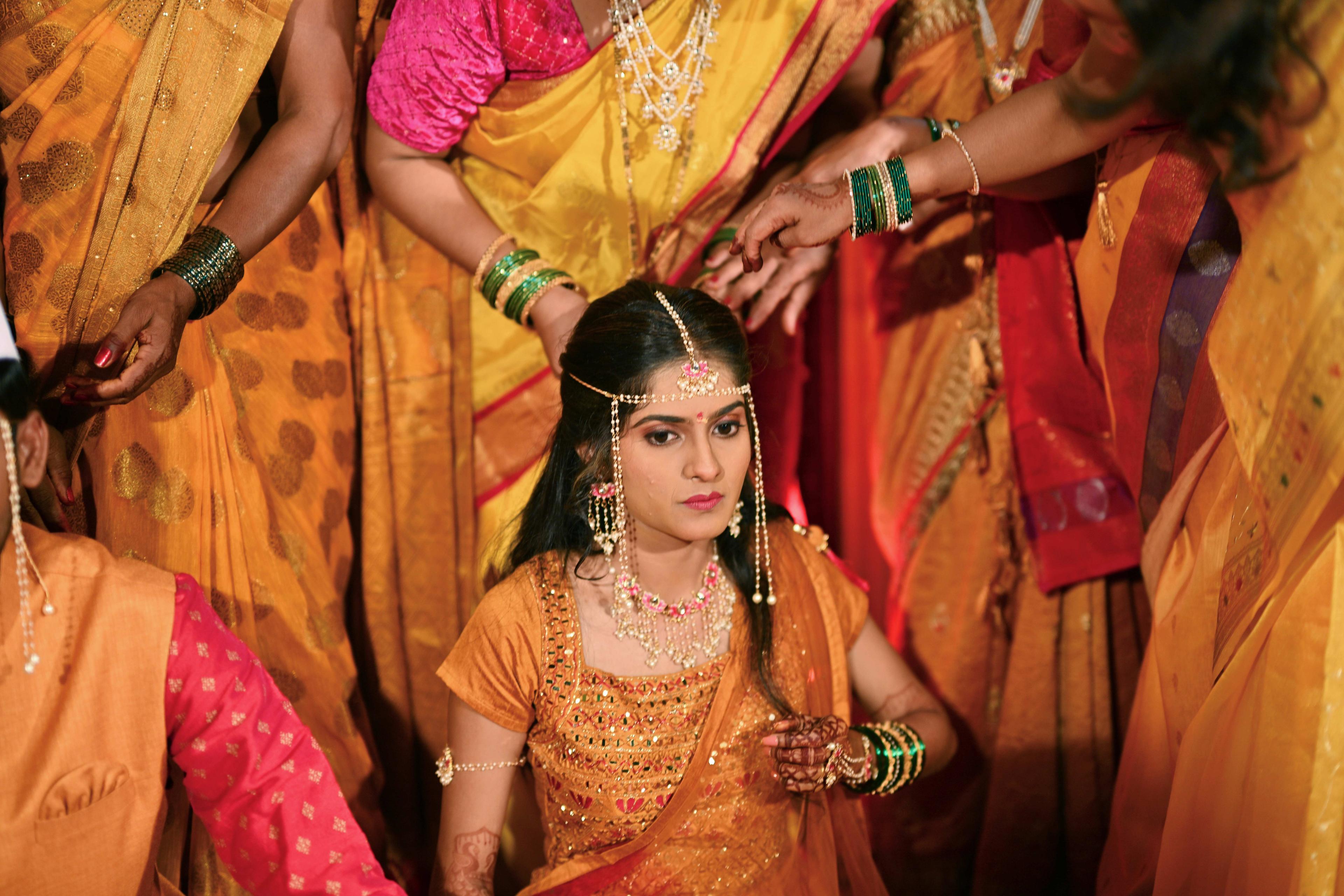
The Half-up, Half-down Hairdo
The half-up, half-down hairstyle is a perfect blend tradition and comfort. It gives brides the best of both worlds — the elegance of pinned-up hair with the dreamy look of loose curls. It’s ideal for pre-wedding events like the mehendi or engagement, where the mood is lighter but still celebratory. South Indian brides are giving this look a local twist by weaving in mini braids, floral clips, or delicate gold accessories into the pinned section. Some are even adding tiny jasmine buds for a soft, fairytale-like touch.
Wear your braided Crown
Perfect for breezy temple courtyards or open-air garden weddings, the stunning braided crown is an emerging choice for modern South Indian brides. It frames the face beautifully, keeps hair off the neck, and photographs beautifully against natural backdrops. To personalise it, brides are combining the braid with elements of traditional adornment — gold pins, tiny flowers, or strands of jasmine woven into the plait. It’s a blend of whimsy and heritage that feels right at home in both bohemian and traditional settings.
Wear the High Bun with Pride
Inspired by ancient South Indian sculptures and royal portraits, this bun is tightly coiled and adorned with gold jadainagam (serpent motifs), coin chains, or antique pins. It’s a style that pairs beautifully with traditional gold jewellery, especially heavy temple sets or chokers. Brides are modernising the look by mixing gold with copper or silver and adding a pop of colour with an assortment of flowers. The result is a look that radiates strength, tradition, and divine beauty.
South Indian bridal hairstyles are more than fleeting fashion moments — they’re embodiments of heritage, artistry, and self-expression. Whether you choose a traditional poolajada that cascades down your back or a minimalistic bun that whispers elegance, each strand tells a story that connects generations.
All the above articles are provided by FEMINA